
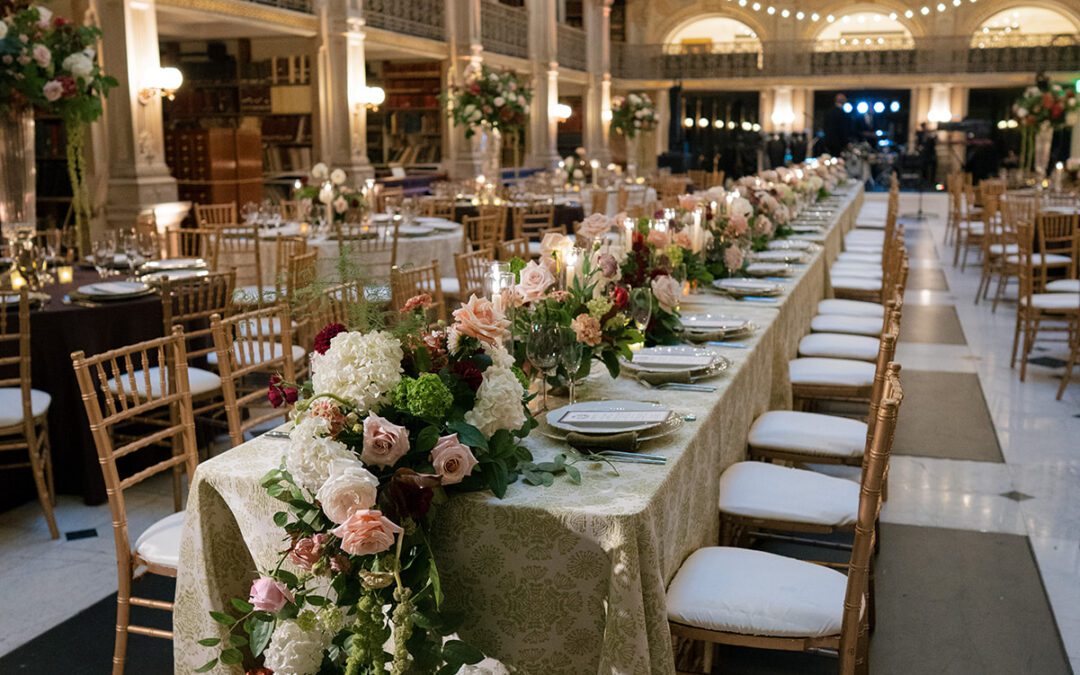
Talking about money is rarely anyone’s favorite part of being engaged. Still, building a realistic 2027 wedding budget shapes almost every decision that follows, from the venue you book to the size of your guest list. At Moore & Co., we’ve helped couples across Maryland build budgets that feel honest, calm, and doable. Here’s how we walk couples through the three wedding budget questions that come up first.
What Does a Wedding Cost Heading Into 2027?
Before you look at your own bank accounts, it helps to know what the broader wedding landscape looks like right now. According to The Knot Real Weddings Study, the average wedding cost in Maryland sits around $38,000, while the broader Mid-Atlantic region averages closer to $48,400.
Of course, averages only tell part of the story. A 60-person brunch wedding and a 200-guest black-tie celebration in Baltimore or Annapolis will look completely different on paper. Think of those numbers as a helpful baseline rather than a target you have to hit.
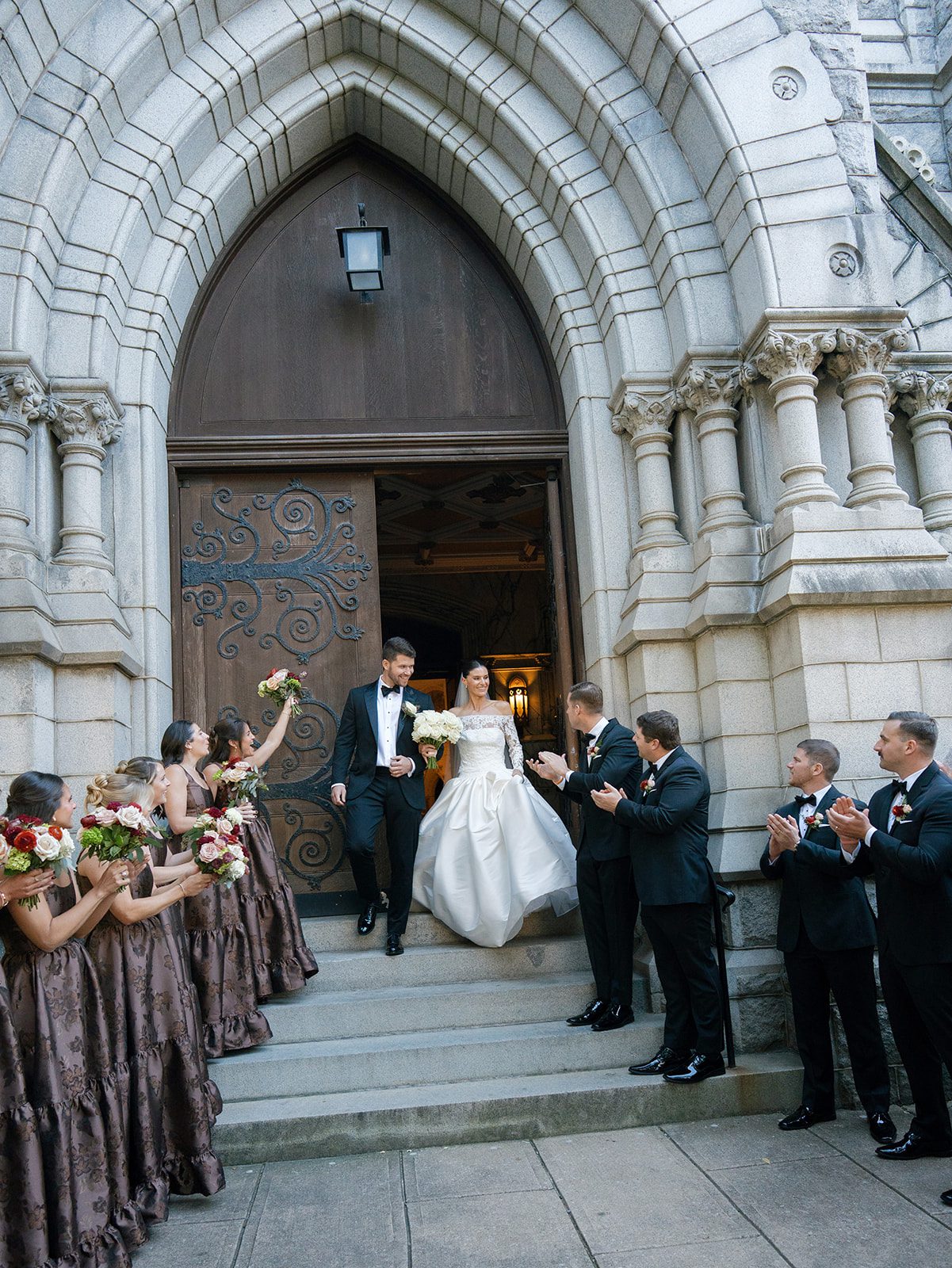
How Much Can We Realistically Spend?
Start with what you actually have, not what you think a wedding “should” cost. Before you tour a single venue, sit down together and look at three numbers:
- What you’ve already saved for the wedding
- What you can comfortably save each month between now and the wedding date
- What family members have offered (in writing or a clear conversation, not a vague “we’ll help”)
Add those together, and you have your real number. Then hold back about 5 to 10 percent as a cushion. Overtime fees, extra rentals, and last-minute guest additions have a way of finding every 2027 wedding budget.
Next, look hard at your guest count. It’s the single biggest lever you have. Every guest adds a meal, a chair, a drink package, and often a bigger room. Trimming 20 names can free up more money than any other cut we know of
Planner’s Tip: Decide early that you won’t borrow for the wedding. Starting your marriage without wedding debt is worth more than any upgrade.
Who's Contributing to the Wedding Budget?
Today, most couples we work with pay for at least part of the wedding themselves. Some parents cover a large share, some give a set amount, and some pay for one specific piece, like the rehearsal dinner or the bar. There’s no wrong setup. The only real mistake is not knowing which setup you have.
Here’s what we suggest:
- Ask early and directly. A simple “Were you hoping to contribute, and if so, how?” is kind and clear.
- Get a number or a line item. “We’d love to give $15,000” or “We’ll cover the photographer” is easy to plan around. “We’ll help where we can” is not.
- Clarify timing. Will the money come up front or as deposits are due? Vendors work on payment schedules, so this matters.
- Keep one shared tracker. A simple spreadsheet showing every vendor, deposit, and who’s paying keeps everyone on the same page.
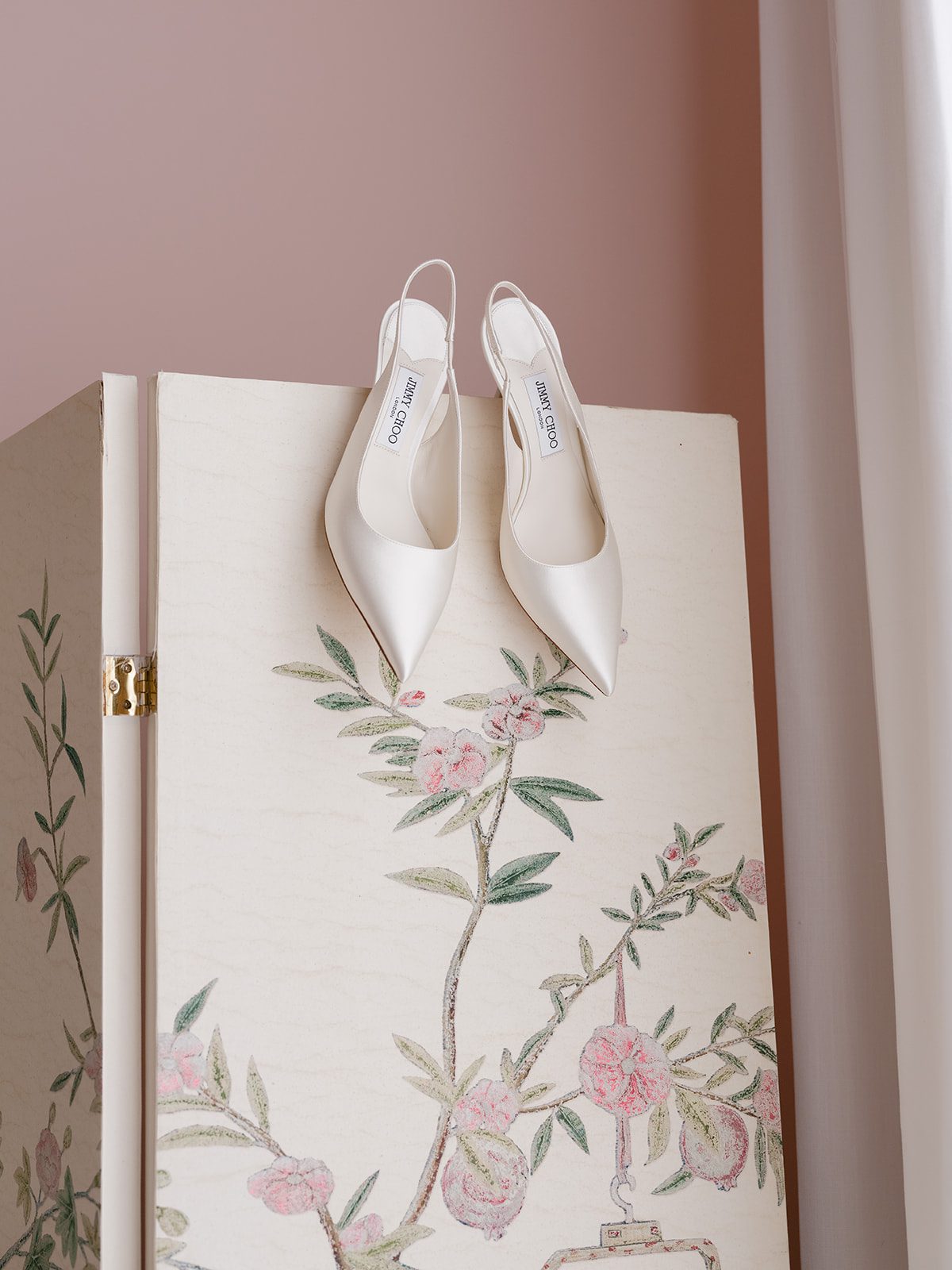


If Parents Pay, Do They Get a Say?
This is the question couples ask us most quietly. The honest answer is that money often comes with opinions, even from the most well-meaning parents. However, a contribution doesn’t have to mean control.
The healthiest approach is to talk about expectations at the same time you talk about the amount. For example, a parent might care deeply about inviting family friends, while caring very little about the florals. Knowing that up front lets you honor what matters to them without giving up your vision.
A few approaches we’ve seen work well:
- Give them ownership of one area. If Mom is paying for the rehearsal dinner, let her help choose the restaurant.
- Set the guest list rules first. Many couples give each set of parents a fixed number of invitations.
- Be willing to say no to the money. If a gift comes with strings you can’t accept, it’s okay to scale back and plan within your own means.
For more on handling these conversations gracefully, read our guide to setting kind boundaries with family.
Planner’s Tip: Have the money conversation in person, with both partners present. It keeps things warm and prevents one of you from becoming the go-between.
Where to Splurge and Where to Save on Your 2027 Wedding Budget
Every couple’s priorities are different, so start with your non-negotiables. Each of you picks your top three, whether that’s a full planner, videography, or an open bar. Where your lists overlap is where the money should go. Everything else can be beautiful without being expensive.
That said, here’s how we think about the big four.
The Venue
Your venue usually takes the largest share of the wedding budget, and it sets the tone for everything else. It’s worth investing in a space you love, but look closely at what’s included. A venue with tables, chairs, linens, and a built-in backup plan can cost more upfront and still save you thousands in rentals.
Where to save: Consider a Friday, Sunday, or off-season date. Many Maryland venues offer lower minimums in winter.
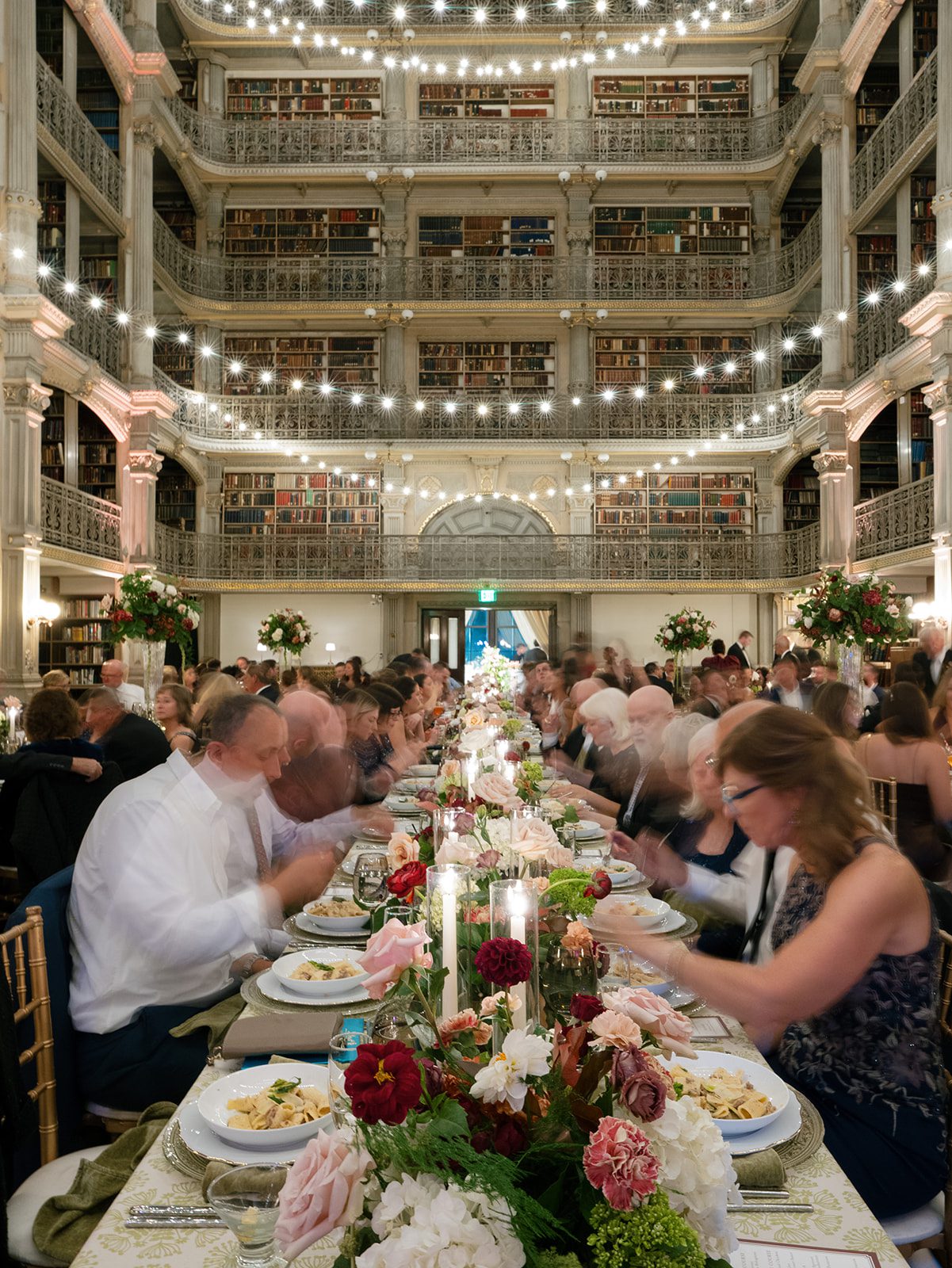
The Photographer
This is the one we gently push couples to splurge on. The flowers will fade and the cake will be eaten, but the photos are what you’ll actually keep. An experienced photographer also knows how to work with tricky light, tight timelines, and shy family members.
Where to save: Trim coverage hours instead of downgrading talent. Skipping photos of a two-hour reception wind-down rarely costs you a favorite image.
The Dress
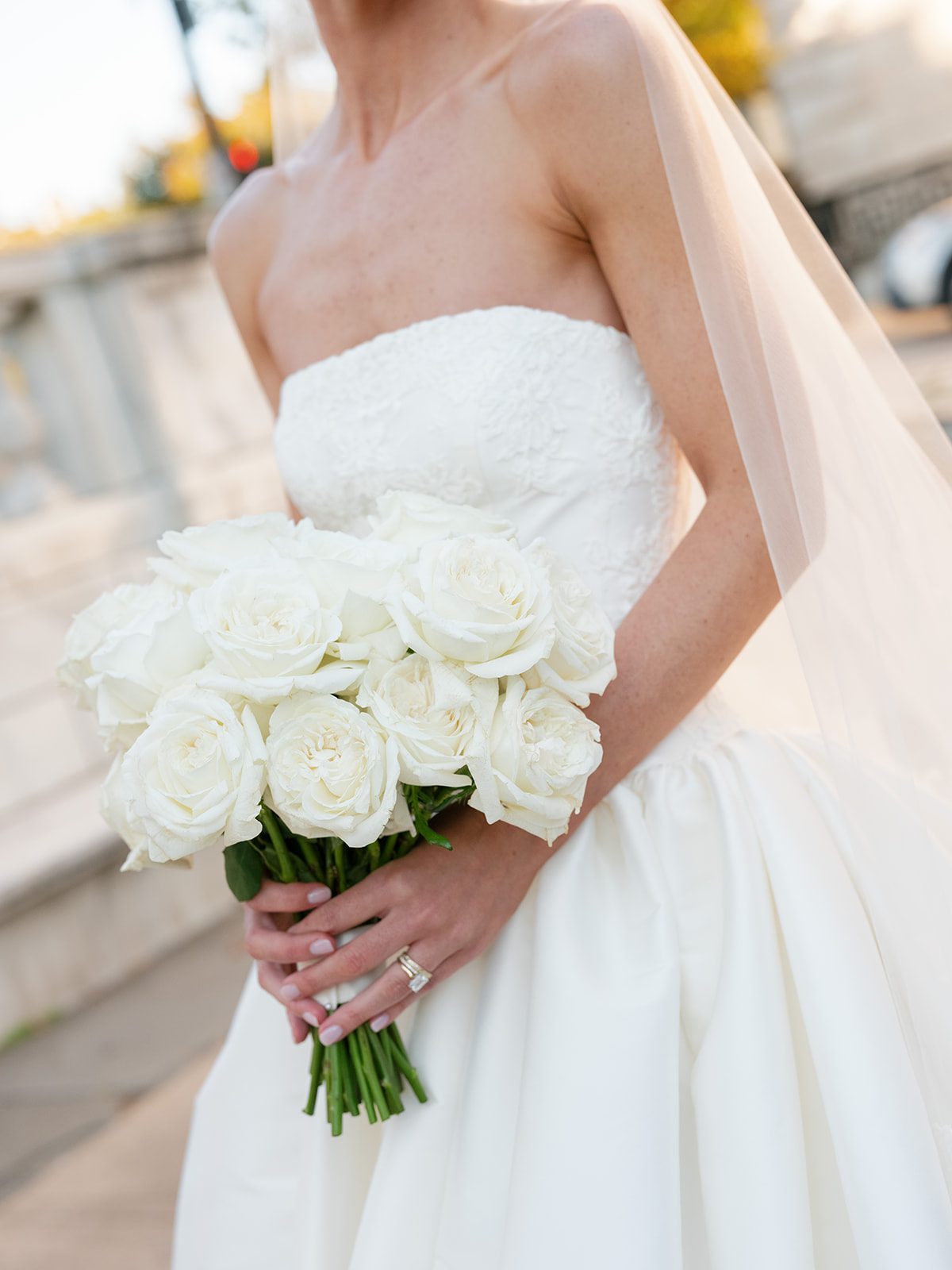
The dress matters, and you should feel like yourself in it. Still, it’s one of the easiest places in your wedding budget to save without anyone noticing. Sample sales, consignment boutiques, and designer diffusion lines can bring the cost down a lot.
Where to save: Budget for alterations from day one. They often add several hundred dollars, and they make an affordable dress look custom.
The Food
Guests remember two things: whether they were hungry and whether they had fun. Good food and a smooth bar service are worth protecting in your wedding budget.
Where to save: A beautiful family-style or stations menu can cost less than plated service. You can also limit the bar to beer, wine, and one signature cocktail. Nobody misses the full liquor list as much as you’d think.
Our Wedding Budget Insights From the Planning Side
At Moore & Co., we’ve learned a few things that keep budgets from slipping:
- Lock in your core vendors early for 2027. Catering, floral, and rental pricing continues to tick up year over year, so signing contracts early protects your budget from future rate increases.
- Read the fine print. Service charges, gratuity, and tax can add 25 percent or more to catering and venue quotes.
- Ask the right questions. Our list of questions to ask Maryland wedding vendors helps you compare quotes fairly.
- Repurpose what you can. Ceremony florals can move to the reception, and plenty of candlelight stretches a smaller floral budget.
- Don’t skip the planner line. A good planner often saves more than they cost. Our vendor relationships can mean better pricing, and we help you avoid costly mistakes. Wondering what level of help you need? Our guide to wedding planner vs coordinator can help you decide.
Ready to Start Planning?
Planning a wedding budget in 2027 isn’t about spending less. It’s about spending on purpose, so every dollar goes toward what matters most to you both. At Moore & Co., we help couples build budgets that feel clear and realistic from the very first meeting. Feeling a little overwhelmed? Contact Moore & Co. today, and let’s talk through your vision and your numbers together.
Featured Vendors
Wedding Planning + Design | Moore & Co. Events
Venue | George Peabody Library
Photography | Courtney Linden Photography
Videography | Kenz Rempel
Florals | Blush Floral Design Studio
Rentals | Pretty Little Wedding Co, Select Event Group
Production | Event Dynamics
Band | The Onyx Band, Washington Talent Agency
Catering | Rouge Catering
Ceremony Music | Two Rivers Chamber
Beauty | Caitlyn Meyer Pro
Transportation | American Limousines